May 21-22, 2026

(Re)Imagining Liberal Arts & STEM Education in the Age of GenAI

A two-day conference for faculty, administrators, and students examining AI’s capabilities, limitations, ethical implications, and cultural impact, while imagining new possibilities for higher education. Convened by an organizing committee composed of faculty across the Claremont Colleges.

📍
Location
HMC Campus
Claremont, CA

What We'll Explore

Across keynotes, panels, and hands-on workshops, the conference examines how generative AI is changing teaching, learning, and institutional life.

Capabilities & Limits

What should faculty, staff, and students understand about what AI can do well, where it fails, and how to recognize the difference?

Ethics & Governance

How should institutions navigate the ethical, legal, and policy questions that come with adopting AI in academic settings?

Teaching & Assessment

How can generative AI support learning, course design, and assessment without flattening rigor, trust, or creativity?

Cultural Impact

How is AI reshaping communication, authorship, labor, and disciplinary practice inside and beyond the classroom?

Human Judgment

Which forms of discernment, care, and intellectual work remain distinctly human, and how should education strengthen them?

New Possibilities

What new forms of inquiry, collaboration, and student engagement become possible when higher education responds thoughtfully to AI?

Featured Speakers

Leading voices in AI, education, and institutional strategy join us to share their perspectives.

Keynote
What should we know about AI?
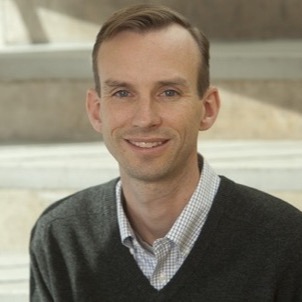
Alex Hartemink

Alex Hartemink

Professor of Computer Science and Biology, Duke University
Keynote
Imagining Otherwise: Reframing Ethical AI

Dylan Baker

Dylan Baker

Lead Research Engineer, DAIR Institute
Keynote
AI Aware Teaching

Marc Watkins

Marc Watkins

Assistant Director of Academic Innovation, Lecturer of Writing and Rhetoric, University of Mississippi
Keynote
Love to Learn: Reimagining Learning in the Age of AI

Isabelle Hau

Isabelle Hau

Executive Director, Stanford Accelerator for Learning, Stanford University

Conference Schedule

The detailed schedule is being finalized. The current plan is for each day to feature keynote sessions in the morning and afternoon, with panels, workshops, and poster conversations in between.

Thursday, May 21 Day 1: Questions & Context
Morning

Breakfast & Morning Keynote

Check-in, breakfast, and an opening keynote to frame the conference’s central questions about AI in higher education.

Midday

Panels, Workshops & Lunch

Panel discussions, hands-on workshops, and lunch conversations exploring AI’s capabilities, limits, and institutional implications.

Afternoon

Afternoon Keynote

A second keynote session extending the day’s themes and opening space for reflection and discussion.

Evening

Reception, Posters & Dinner

Evening reception, poster presentations, and dinner with time for conversation across disciplines and campuses.

Friday, May 22 Day 2: Practice & Possibility
Morning

Breakfast & Morning Keynote

A morning keynote focused on the broader cultural, ethical, and educational stakes of AI.

Midday

Panels, Workshops, Posters & Lunch

Additional workshops, panel conversations, poster sessions, and collaborative discussion over lunch.

Afternoon

Afternoon Keynote & Closing

A closing keynote and final conversation focused on what thoughtful, institution-level response to AI might look like next.

Call for Abstracts

We invite poster presentations and discussion session proposals from faculty, staff, and students across all disciplines.

Poster Presentations

Submit an abstract (up to 300 words) for a poster presentation. Both new work and previously published work are welcome, provided appropriate permissions have been granted. A limited number of exceptional posters will be invited to give 5-minute Lightning Talks.

Discussion Sessions

Propose a topic and a set of guiding questions for a facilitated discussion session. These are opportunities to explore open questions, share emerging practices, and engage colleagues in focused conversation.

Submissions are accepted across the following tracks:

Teaching about GenAI Teaching with GenAI Changing Pedagogy Societal Impacts
Submit Abstract

Registration

Registration is now open.

External
$250
Non-Consortium Attendees
  • Full conference access
  • All meals included
  • Workshop materials
Register Now

Where to Stay

Recommended hotels near the Harvey Mudd College campus in Claremont, California.

DoubleTree by Hilton Claremont

0.5 miles from campus

The closest hotel to campus with a special conference rate.

Rate: $159/night + taxes (singles/doubles)
Dates: May 20–23, 2026
Group Code: SAI
Book by: April 30, 2026

Reserve Room →

Casa 425 Hotel

0.8 miles from campus

Boutique hotel in the Claremont Village with modern amenities and walkable access to restaurants.

Sheraton Fairplex

3 miles from campus

Located at the Fairplex complex in Pomona. Larger rooms and more availability.

Airport & Transportation

Ontario (ONT) - 15 min

Ontario International Airport is the nearest airport. LAX is approximately 45 miles west. Rental cars recommended.

Frequently Asked Questions

This conference is designed for faculty, instructional designers, academic administrators, and graduate students interested in the intersection of AI and education. We welcome participants from all disciplines—STEM, humanities, arts, and social sciences—as AI's impact spans all fields.

Full refunds are available up to 30 days before the conference. Cancellations within 30 days will receive a 50% refund. Substitutions (sending a colleague in your place) are allowed at any time at no extra charge.

Keynote sessions will be recorded and made available to registered attendees. Workshop and panel sessions will not be recorded to encourage open discussion. All participants will receive access to presentation slides and resources.

Yes, complimentary parking passes will be provided to all registered attendees. Parking is available in the North Campus lot, a short walk from the conference venues. Detailed directions will be sent with your registration confirmation.

This is an in-person conference and virtual attendance is not available. We believe the collaborative workshops and networking opportunities are best experienced in person. Recordings of keynotes will be available after the event.

We welcome poster abstract submissions and discussion session proposals. You can present new work or previously published work (with appropriate permissions). Submissions are reviewed for acceptance by the organizing committee. A limited number of exceptional posters will also be invited to give 5-minute Lightning Talks. Submit your abstract here.

Organizing Committee

Faculty from across the Claremont Colleges with expertise spanning multiple disciplines.

Westenley Alcenat Scripps College
David Bachman Pitzer College
Nayana Bose Scripps College
Josh Brake Harvey Mudd College
Ken Fandell Harvey Mudd College
Martin Glazier Scripps College
Nancy Lape Harvey Mudd College
Julie Medero Harvey Mudd College